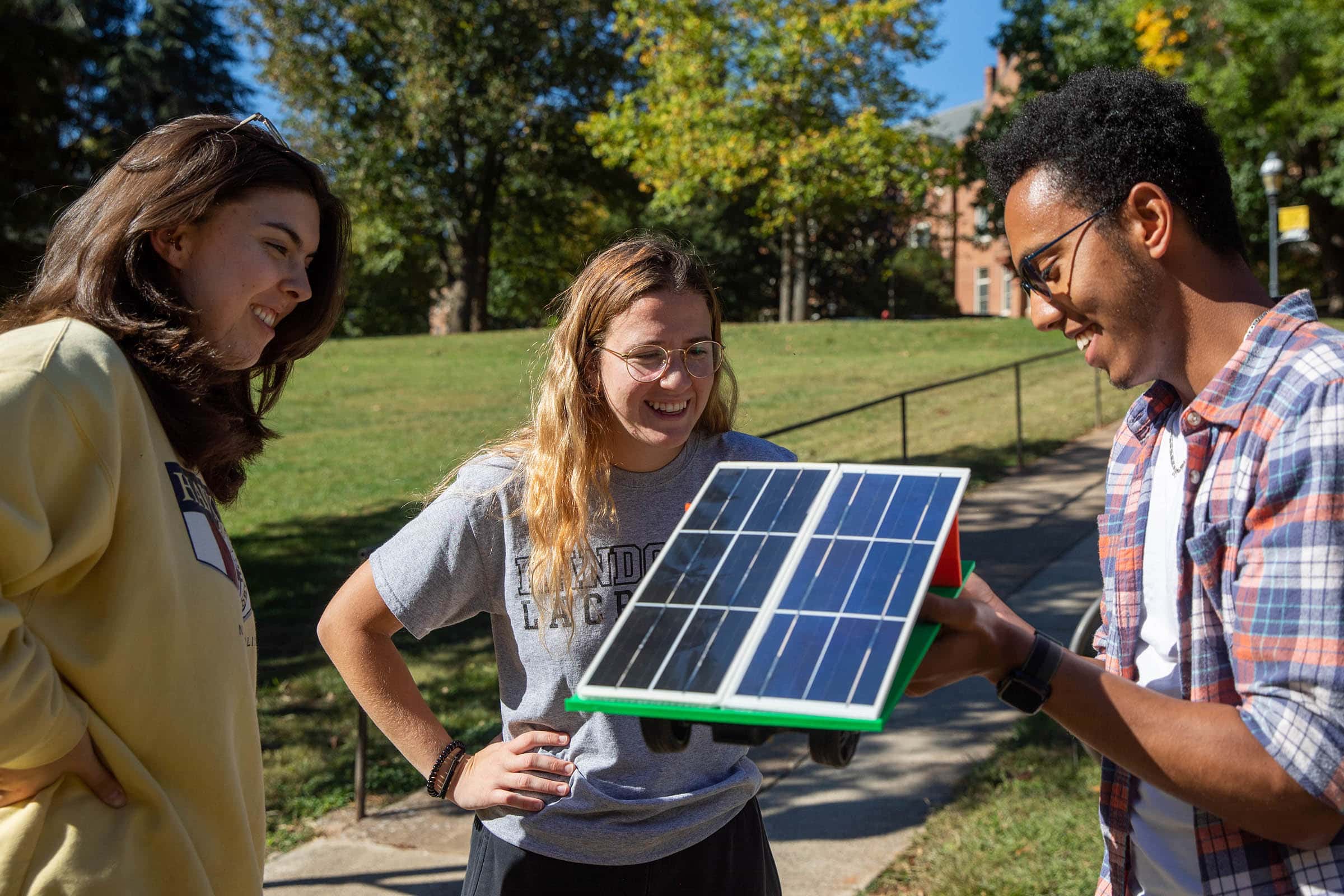
Science Matters
The $23 million campaign for the expansion and renovation of Martin Science Building is launching a new era in science education.
Learn More
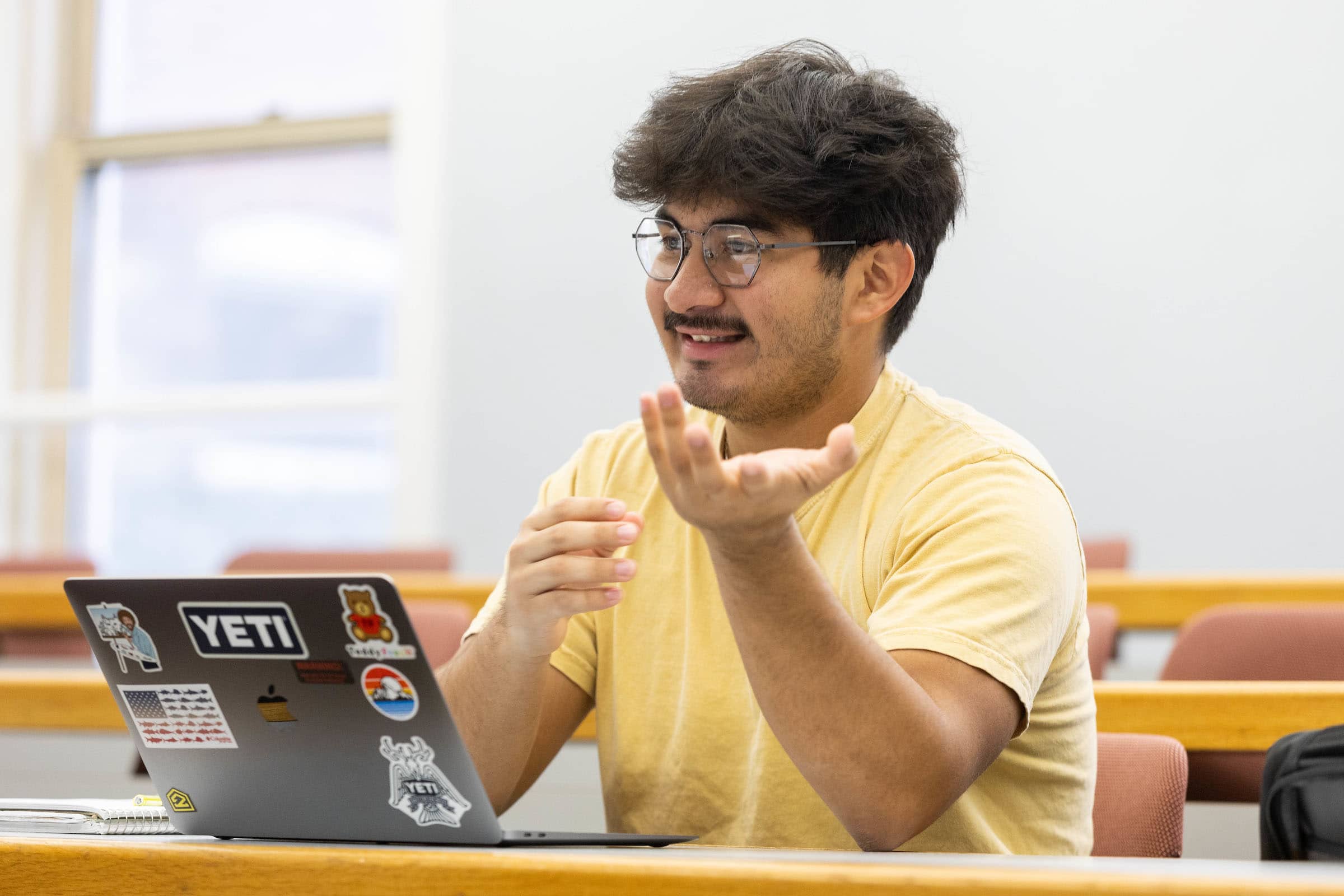
Be an Original
Is Randolph right for you? Come visit. Take a tour, meet our students, talk to faculty, get to know our community, and learn firsthand why our students choose to Be an Original.
Learn More
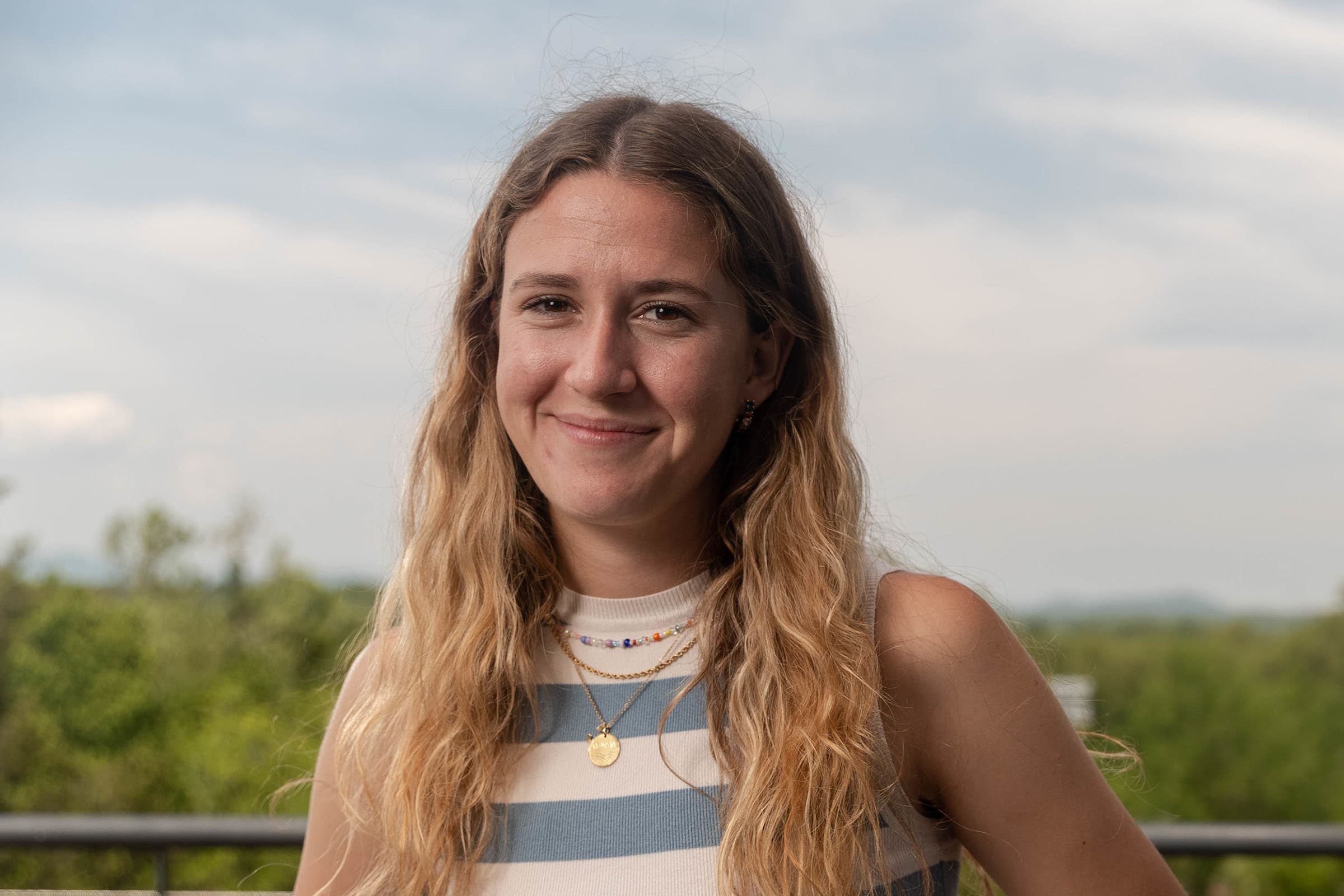
Outcomes
Physics major Cristina Llongueras ’23 is taking her passion for aircraft and flight to Georgia Tech’s Daniel Guggenheim School of Aerospace Engineering.
Learn More

8:1
Student-Faculty Ratio
Randolph offers a rigorous liberal arts curriculum in small classes taught by engaged, caring professors–never graduate students.

23
Top Faculty
Randolph is ranked #23 in the U.S. for "Most Accessible Professors" by the Princeton Review.

32
Academic Majors
Randolph offers B.A., B.S., B.F.A. and master's degrees, 32 majors, 46 minors, and 5 pre-professional programs.

31
Shades of Green
Randolph is one of 31 colleges on the Princeton Review's 2023 Green Honor Roll for earning a perfect sustainability score.
Randolph College News

Students present research during 16th annual Symposium of Artists and Scholars
The symposium brings together students from all academic departments to share their research and highlight some of the work they’ve produced while at Randolph.
Read More

Organic Garden certified by the USDA
The designation recognizes gardens that produce local food, use sustainable maintenance practices, provide educational opportunities, and bring people together in their community.
Read More

Randolph to present the Pearl S. Buck Award to Jetsun Pema
Pema, the younger sister of His Holiness the 14th Dalai Lama, will receive the award in April.
Read More
Only at Randolph

The Randolph Plan
Randolph students work with faculty mentors to explore a broad range of disciplines as they chart their academic path.

Money for Your Research
The Randolph Innovative Student Experience (RISE) program provides every student a $2,000 grant to fund research, creative work, experiential learning or other scholarly pursuits.
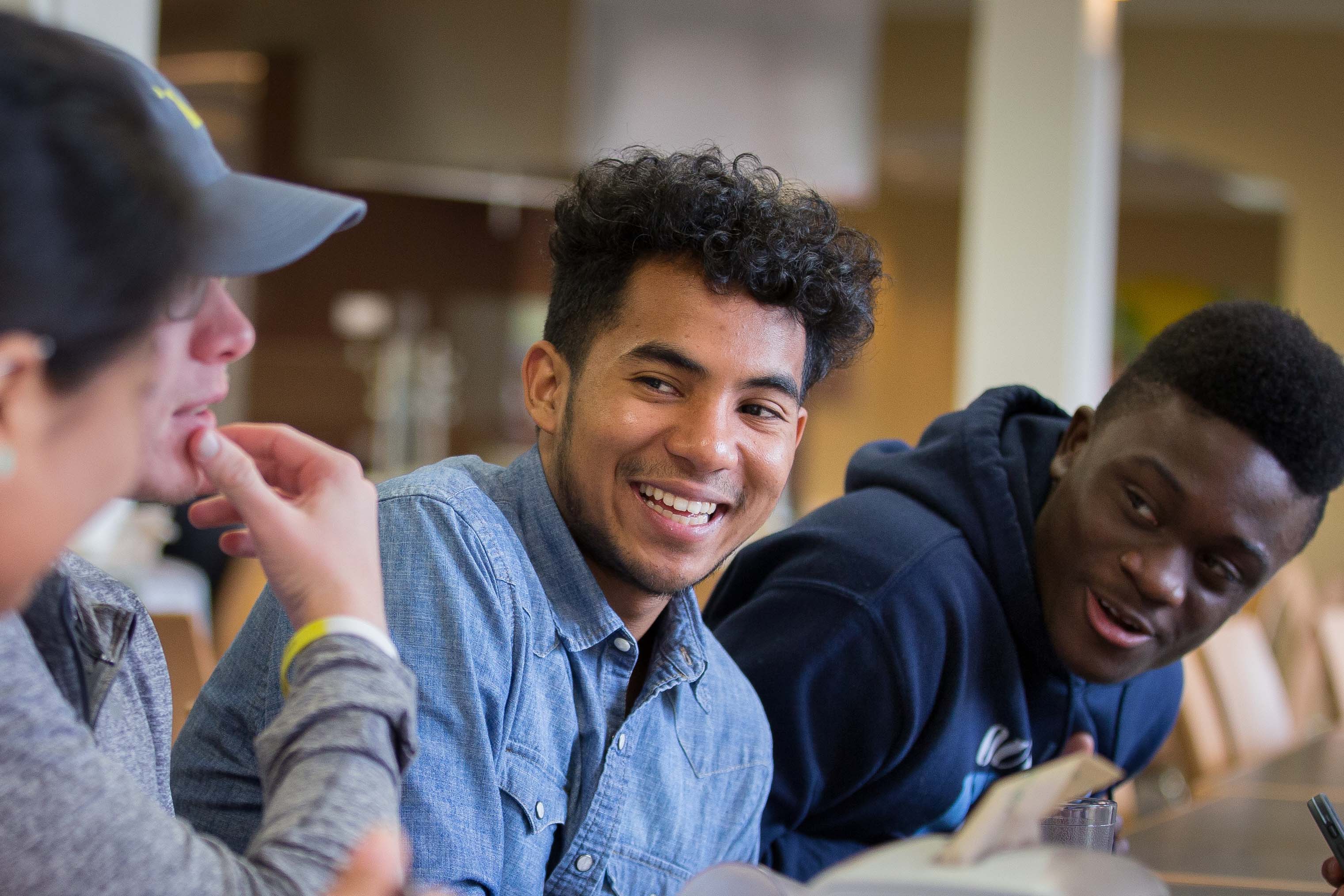
TAKE2
Two courses per half-mester means you get to focus in and dig deep into your coursework while still having time for the rest of the college experience.